


This informative handbook delves into the reasons behind alcohol induced dehydration. Offers evidence-based approaches to keep your levels in Alcoholics Anonymous check. To stay hydrated, drink water before, during, and after consuming alcohol.
Dehydration From Alcohol: 5 Tips to Prevent and Treat It
- Alcohol is a diuretic and therefore causes excessive urination.
- Chronic dehydration caused by excessive alcohol consumption can have a number of serious health risks.
- Once your body metabolizes the alcohol and acetaldehyde that cause the redness, your skin should return to its normal color.
- When you drink alcohol, it acts as a diuretic, causing increased urine production and ultimately leading to dehydration.
Your kidneys work harder to maintain fluid balance, your skin loses its elasticity, your digestive system struggles, and even your breathing can be affected. These immediate effects offer a glimpse into the more serious problems chronic dehydration can cause. Alcohol suppresses your appetite, reducing your water intake, and acts as a diuretic, increasing urination. For tips on managing your intake, explore Reframe’s resources on mindful drinking. Vasopressin’s job is to regulate your body’s water balance by signaling your kidneys to conserve water.
The Effects of Alcohol & Caffeine on Dehydration

This leads to increased urine production and can result in dehydration. In fact, for every 1g of alcohol consumed, urine excretion increases by 10mL. This can have a significant impact on your body’s hydration levels, especially if you’re not actively replenishing fluids. When we consume alcohol, it interferes with the release of vasopressin, a hormone that helps regulate the body’s water balance.
Alcohol Poisoning: Signs, Symptoms & Treatments
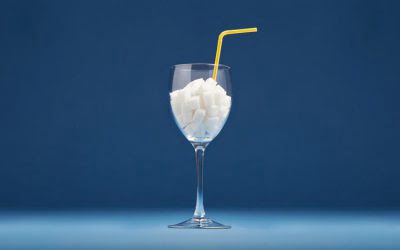
Some can be tricky — like high-quality wines with a higher alcohol by volume than low-quality wines. A bottle of whiskey on the mountain how does alcohol dehydrate you after a full day of skiing and snowboarding sounds like a dream. If you’re drinking at altitude (and you’re not used to it!) remember that dehydration is a much bigger concern.

- As the liver breaks down the alcohol, it is converted into a substance called acetaldehyde, which can be toxic in high doses.
- These crystals can clump together to form kidney stones, which can be incredibly painful and may require medical intervention to remove.
Alcohol itself and its byproducts, like acetaldehyde, contribute significantly to the unpleasant effects of a hangover, including nausea, headache, and https://ecosoberhouse.com/ fatigue. Dehydration exacerbates these symptoms, making you feel even worse. Understanding your drinking habits is the first step toward moderation.
